
Cannabis Paranoia Claims Crumble Under Real Science
A splashy headline says self medicating with cannabis creates paranoia. The data behind that headline measured correlations inside a self selected online survey and leaned on a dosing tally, not on any clinical diagnosis or causal test. What it actually shows is that people who report more discomfort also report using more THC. That is a dosing story and a context story, not proof that cannabis creates mental illness.
Signals Not Noise
- The survey was cross sectional and self selected so it cannot prove cause; it mainly shows that higher reported distress travels with higher THC units.
- Trauma and hostile policy culture explain paranoia far better than medical intent; fix trauma and stop punitive barriers.
- CBD to THC balance and set and setting shape outcomes; education beats fear every time.
- The standard 5 mg THC unit and label literacy empower smart titration and safer access.
- Rights matter; open access and home grow protect health freedom better than gatekeeping rules.
What the Survey Actually Measured
The work behind the headline pulled answers from adults who chose to fill out an online questionnaire. It was not a clinical trial. There was no randomization. There was no follow up to see what came first or what changed after a specific product profile. That means it can detect associations yet cannot show that cannabis use for relief causes paranoia. If participants in more distress reached for more relief and used more THC, a correlation appears even when the plant is not the driver of paranoia. The authors calculated weekly THC intake using a research unit that assigns 5 milligrams THC to a single standard unit. Again, this is a dosing ledger not a verdict on intent.
The same research program amplified recruitment through media and public relations, which boosts sign ups but also increases the chance that certain kinds of users see the call and respond. That is classic participation bias. A loud megaphone does not make a random sample.
Participants who said they first used cannabis for anxiety or depression also reported consuming more weekly THC than curiosity or fun starters. That is exactly what a relief seeking pattern looks like in any real life setting. People in greater discomfort tend to use more of the thing they feel helps. In other words the survey largely rediscovered that heavier intake travels with heavier symptoms. That is not a revelation about the plant. It is a reminder that dose and context explain a lot.
Correlation is not causation.
Here is the most useful part of the methodology that got buried in the noise. The field now uses a standard THC unit of 5 milligrams to keep dosing language consistent across products. That standard lets patients compare labels and helps clinicians teach sensible titration. It does not label the plant as dangerous. It is a ruler for measuring. Even the United States research agencies ask scientists to use this 5 milligram unit.
Trauma is the Engine the Headline Forgot

If a person grew up with repeated stress or abuse, paranoia and worry are more likely to show up throughout life. A companion analysis from the same survey found that childhood trauma strongly predicted higher paranoia scores. That baseline vulnerability existed before any product choice and it changes how any psychoactive experience feels. When someone with that history seeks relief, they also tend to report higher THC intake, which the survey captures as a number and tabloids translate into fear. The honest headline is that trauma shapes perception and public health should address trauma first.
Now add the stress of prohibition culture and hostile policy. People who use a plant for pain relief or spiritual care still get told to hide it, risk job screens, and navigate confusing rules. Surprise surprise, secrecy and punishment culture do not soothe anxiety. That is not a cannabis problem. That is a policy problem.
The Medical Evidence the Headlines Bury
Any balanced read of modern evidence shows cannabis and cannabinoids help many people. The landmark report from the National Academies reviewed hundreds of studies and concluded there is substantial evidence for cannabinoids in chronic pain, chemotherapy related nausea and vomiting, and multiple sclerosis related spasticity. That is medicine in plain view, no matter how many press quotes try to deny it.
Fresh real world data from United Kingdom registries show meaningful improvements in anxiety, sleep, and quality of life after patients start prescribed cannabis based products. These are large cohorts with months of follow up and they consistently report better symptom scores and day to day function. Adverse events are generally mild. People are telling a clear story with their outcomes and it reads like relief.
There is also a growing body of work in human experiments and clinics showing CBD can ease anxiety and temper some of the edgy feel that high THC can produce in sensitive settings. Classic simulated public speaking studies demonstrate that oral CBD reduces measured anxiety in social anxiety disorder. Reviews and newer meta analyses continue to support acute anxiolytic effects with calls for longer trials, which is exactly how responsible science grows. None of that squares with the dramatic claim that cannabis use for relief somehow creates paranoia. It points to product profile and set and setting as the levers that matter.
When policy blocks access to balanced flower and whole plant preparations and forces people toward narrow scripts or into the shadows, it removes those levers. Heavy handed rules do not make people safer. They make them less informed and more isolated. That is the real hazard.
What Honest Policy Would Do
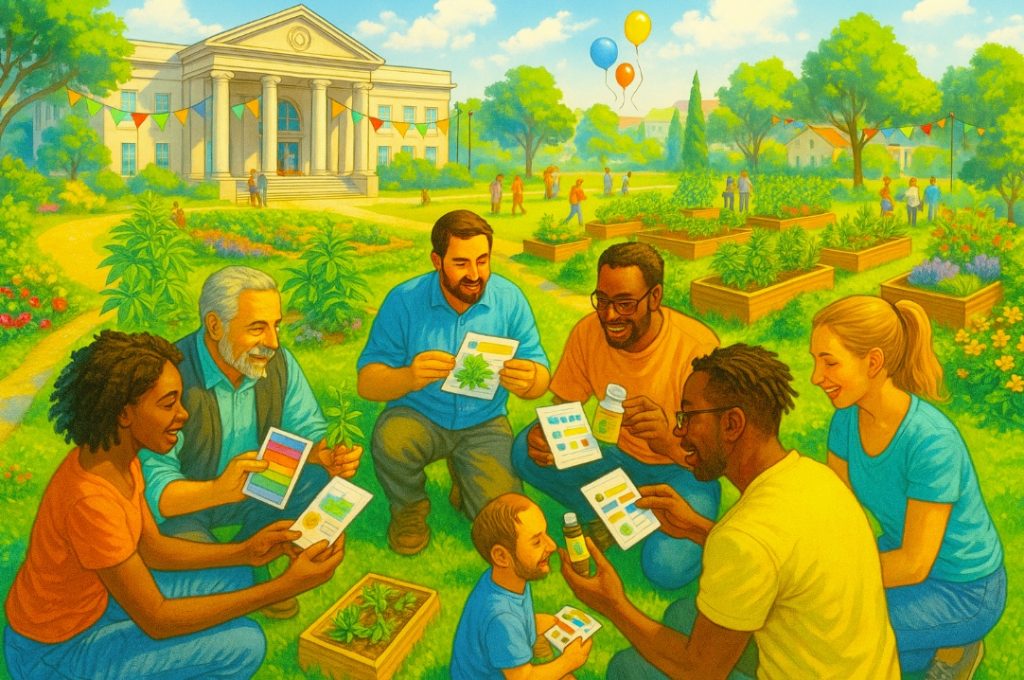
The United Kingdom already admits cannabis is medicine by allowing only a tiny sliver of patients to access it through the national system. Severe childhood epilepsies, chemotherapy nausea, and multiple sclerosis spasticity sit on the short list. Everyone else is told to pay privately or simply do without. That is a rationing choice disguised as caution. It drives people who could benefit toward inconsistent information and turns a supportive pathway into a maze.
A transparent framework would be simple. Teach standard THC units and CBD to THC ratios as basic label literacy. Support patient guided titration that starts low and listens to effect. Allow broad access to whole plant options so people can find the chemovar and route that matches their body and their goals. Expand spiritual and wellness protections so adults can cultivate at home without fear. In other words shift focus from punishment to education, from gatekeeping to guidance. The evidence base and lived experience both support this shift.
Decode the Scare Quotes and Numbers
Below are the most common claims swirling around the new coverage and what the actual record shows.
- Claim Self medicating with cannabis creates paranoia.
Reality The study used a cross sectional snapshot of self reports. It cannot show cause. It mainly shows that people who seek relief also report more weekly THC. That is a dosing and distress correlation not a verdict on cannabis. - Claim Cannabis is not medicine.
Reality National Academies work and many reviews conclude substantial evidence for cannabinoids in pain, chemo related nausea, and multiple sclerosis spasticity. Patients across registries report better sleep, lower anxiety, and better quality of life. That is visible benefit in real settings. - Claim Paranoia proves the plant is harmful.
Reality Trauma exposure strongly predicts paranoia scores. The companion analysis shows trauma as the primary driver, with cannabis use acting as a marker for people already seeking relief. Address trauma and the environment first. - Claim Strict limits protect the public.
Reality The narrow national rules in England leave most patients outside the door, even as private clinics and unregulated routes fill the gap. The safest approach is open access to quality controlled products, education on dosing units, and support for home cultivation, not rationing by bureaucracy. - Claim More THC equals more harm.
Reality More THC equals more effect which is why people in more discomfort often use more. Teaching people to read labels by standard units and to balance THC with CBD gives them control. The 5 milligram THC unit is a helpful tool for that education.
Free the Plant and Free the Data

The public gets scolded for using a plant that consistently helps with pain, sleep, mood, and daily function, while the same system blocks ready access to balanced flower and whole plant choices. That is not caution. That is control. It is time to retire the spin that calls relief seeking a problem and to build a patient centered, evidence centered pathway that treats adults with respect.
Key facts deserve bold ink
Cannabis has recognized medical value and people tell that story with their outcomes. Childhood trauma and hostile policy amplify paranoia and deserve attention. Dosing education using standard THC units gives people power. Balanced CBD to THC profiles and supportive set and setting make all the difference.
Back to the Plant back to the People
Marijuana Central stands with the right to grow and use this plant in peace. The science supports access. The community proves the benefit. The future belongs to education, not fear, and to free adults making informed choices about a gentle herb that has served humanity since the beginning.