
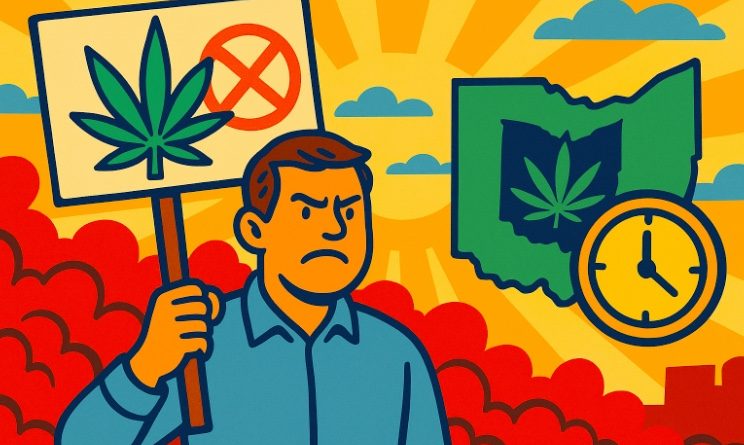
Ohio’s Cannabis Law Betrayed Are Lawmakers Ignoring the Voter Mandate?
In 2023, Ohioans from all walks of life cast their votes for Issue 2, sending a crystal-clear message that they wanted adult-use cannabis legalized, taxed, and regulated—but in a way that served their communities, not political pocketbooks. Ohio’s citizens didn’t vote for a web of bureaucratic stall tactics, murky rule changes, and constant renegotiations of their clear mandate. What they’re getting, however, is a masterclass in red tape and smoke and mirrors, as lawmakers and state regulators drag their feet and twist the regulations for their own benefit.
The truth is, Ohio’s cannabis journey was meant to empower, bring equity, and establish social justice reforms that recognized the deep, often racially biased harm caused by years of oppressive drug laws. Instead, some Ohio leaders seem more interested in steering funds and playing games than honoring the voice of the people. At this rate, Ohio voters might wonder if it’s really legal to buy cannabis in their own state—or if they’ve been swindled by legislative sleight of hand.
The Voter Mandate Betrayed
- Ohioans voted for legal access, but politicians have delayed implementing the clear voter-approved cannabis tax structure.
- Social Equity and Jobs Program remains inactive, leaving communities harmed by past cannabis laws without promised support.
- Politicians are attempting to alter tax allocations to suit their agendas, undercutting the original voter-approved framework.
- Black Ohioans still face disproportionate arrest rates and continue to suffer from past cannabis-related convictions.
- Real justice means respecting the will of the people by funding social equity initiatives and ending discriminatory cannabis practices.
The Cannabis Tax Structure Ohioans Approved

In approving Issue 2, Ohioans also endorsed a clear, transparent tax structure that was meant to allocate funds where they could do the most good. Here’s the breakdown:
- 36% for Host Community Fund: Support for communities directly impacted by cannabis sales.
- 36% for Social Equity and Jobs Fund: Designed to uplift those disproportionately affected by the war on drugs.
- 25% for Substance Abuse and Addiction Fund: To assist with recovery and substance misuse support.
- 3% for Division of Cannabis Control and Tax Commissioner Fund: Funding for regulatory bodies to manage the program effectively.
This framework wasn’t complex, nor was it hidden in fine print. Yet, Ohio’s lawmakers seem oddly fixated on “reinterpreting” this straightforward structure. One might think that politicians want these funds to mysteriously vanish into other “priority projects.” The people’s mandate was unambiguous, but it appears that for Ohio’s regulatory body, clarity has been overshadowed by greed and hidden agendas.
Delays in the Social Equity and Jobs Program

Ohio’s Social Equity and Jobs Program was a crucial part of Issue 2. It’s designed to provide loans, grants, and technical assistance to those affected by the damaging cannabis policies of the past. But as of now, it’s more of a “coming soon” placeholder than a reality. Voters anticipated real action, yet the program has barely gotten off the ground, stalled by an endless rule-making process that defies the urgency behind its creation.
For a state that’s been all too comfortable locking people up for cannabis, Ohio seems astonishingly sluggish in providing any form of remedy. As it stands, this program exists in name only, a placeholder on a government website where interested parties can sign up for email updates. The lack of a deadline means lawmakers have free rein to dawdle, pushing genuine social equity further down the line while their political priorities soar to the top.
Without these funds, communities hit hardest by prohibition remain sidelined, left watching as others rake in the benefits of the legal industry. How convenient for politicians to promise change, then conveniently “forget” to deliver on the infrastructure that makes it possible.
Lawmakers Undercutting the Voter-Approved Tax Structure

Ohio’s voters didn’t just vote for cannabis legalization; they approved a specific tax structure, but legislative leaders are already working to tear it down. The ink was barely dry on Issue 2 before certain voices in the state capital started calling for “restructuring” the tax allocation. Apparently, it wasn’t enough to see cannabis as a regulated industry for the public good; instead, lawmakers appear set on redistributing funds to fuel their own agendas.
With billions on the line, it’s little wonder that politicians are circling the revenue like vultures. Ohio’s cannabis excise tax was supposed to be an opportunity to uplift communities, support recovery, and establish equity. But if certain legislative leaders have their way, the funding Ohioans voted on will be rerouted to serve political pet projects. It’s a classic bait and switch: first, ask voters for support, then undermine that support for the benefit of a select few.
Racial Inequities in Ohio’s Cannabis Arrests
For Black Ohioans, cannabis “reform” has been more pain than promise. Despite using cannabis at a rate only 1.7 times higher than white Ohioans, Black Ohioans face an arrest rate a staggering 5.3 times higher. It’s these disparities that Issue 2 was supposed to begin addressing through its Social Equity and Jobs Program, but with bureaucratic delays and legislators undercutting funds, these promises feel like distant dreams.
Even now, drug-related offenses are the number one reason people enter Ohio’s prison system, with cannabis convictions taking a devastating toll on employment, housing, and education. Generations of Ohioans have lost opportunities, had their lives upended, and carried the stigma of a criminal record simply because of outdated, draconian laws that still find new ways to punish those least equipped to fight back. It’s a farce to talk about “reform” without urgently addressing these inequities.
Real Justice Means Real Implementation
Ohio’s cannabis law was never supposed to be just a revenue stream for the state. It was supposed to be a step toward justice, a way to bring dignity to communities ravaged by cannabis prohibition. Yet, as funds begin rolling in, all anyone seems to care about is the dollar signs, rather than the lives those dollars were meant to improve. Politicians and policymakers should remember that legal cannabis isn’t just a cash cow; it’s a lifeline to long-promised equity and economic justice.
The road to real justice requires a commitment to both equity and implementation. The tax dollars collected must first and foremost fulfill their intended purpose: to lift up communities, create job opportunities, and end the cycle of criminalizing individuals for cannabis use. Anything less is a betrayal of Ohio’s voters, who demanded that cannabis reform be about justice, not just revenue.
Ohio Must Stop Stalling and Act

Ohio has a chance to do something unprecedented here—not just to legalize, but to rectify. The state could serve as a national model for comprehensive, justice-oriented cannabis reform. The people of Ohio voted for a clear path forward. They didn’t ask for endless rule changes, tax diversions, or vague bureaucratic delays. It’s time Ohio’s elected officials stopped standing in the way and started doing what they were elected to do: serve the public interest.
Every day spent dragging out this process or “reallocating” funds is a day Ohio denies justice to those wrongfully harmed by past cannabis laws. The people of Ohio spoke loudly and clearly. Now it’s up to lawmakers to decide if they’ll finally listen, or if they’ll just keep blowing smoke.