
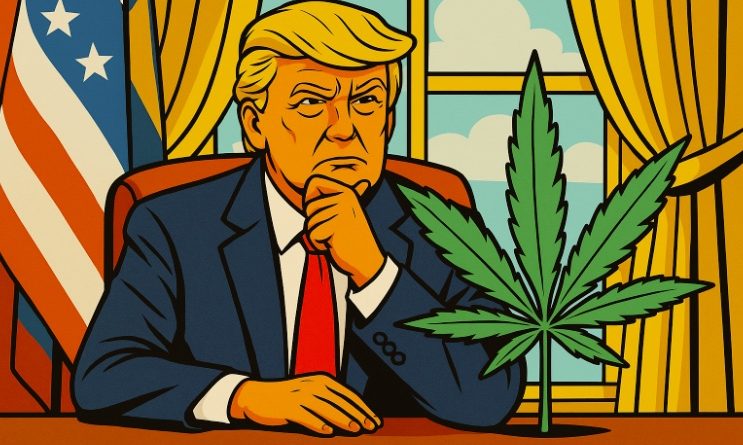
What Will Trump’s Next Move on Cannabis Reform Be
The intersection of another Trump presidency and the ongoing cannabis movement in the United States presents an opportunity and a threat wrapped in the same package. On one hand, Trump’s campaign signals support for rescheduling cannabis to Schedule III—a move that could alleviate some business burdens and pave the way for medical recognition. On the other, history reminds us that promises are cheap, and action rarely follows when politics mix with common sense reforms.
Rescheduling cannabis would mark a significant shift, finally acknowledging what millions of users have known for decades—cannabis is not some boogeyman substance but a plant with vast therapeutic, recreational, and spiritual value. The promise of tax relief through the elimination of IRS Code Section 280E, which currently denies cannabis businesses the right to deduct ordinary expenses, has industry leaders and advocates cautiously optimistic. However, rescheduling alone would not address the civil rights violations stemming from criminalization. It’s a step, but let’s not pretend it’s the finish line.
While Trump has backed measures like the SAFE Banking Act to grant financial institutions permission to work with cannabis businesses, such reform is not a handout; it’s an overdue correction to unjust barriers that disproportionately impact small operators. It’s baffling to see lawmakers act as though allowing cannabis companies access to basic banking is a favor. “You’re welcome, peasants,” they might as well say.
Key Takeaways From Trump and Cannabis Reform
- Rescheduling to Schedule III could ease tax burdens but won’t expunge criminal records or guarantee equity.
- Trump’s record shows inconsistency between rhetoric and past actions on cannabis policy.
- Militarized drug enforcement policies threaten broader reform efforts.
- SAFE Banking Act and rescheduling focus on corporate benefits over individual freedoms.
- Comprehensive reform requires addressing criminalization, personal rights, and equity in cannabis policy.
Trump’s Record Speaks Volumes
Actions always speak louder than campaign promises, and Trump’s first term offers a mixed bag of cannabis-related policies that cast doubt on his reliability as an advocate for reform.
Let’s not forget the 2018 Farm Bill, which legalized hemp production nationwide. Sure, it was a win, but the administration also dismantled the Cole Memorandum, opening the door for federal prosecutors to target cannabis businesses in legal states. These are the same prosecutors who gleefully wield outdated laws to criminalize an herb safer than alcohol.
His proposed 2021 budget cut federal protections for state-legal medical cannabis programs, signaling a willingness to double down on outdated, prohibition-era nonsense. Yet Trump now claims to recognize the shifting tide of public opinion and data-backed research? Convenient timing, wouldn’t you say?
“The discrepancy between Trump’s current cannabis-friendly rhetoric and his administration’s past policies feels less like progress and more like political posturing.”
What has changed since his last term? Public sentiment has undoubtedly shifted further in favor of cannabis, with 38 states legalizing medical use and 24 states approving recreational use. Perhaps Trump has realized that opposing cannabis outright is no longer politically advantageous. It’s less about the plant and more about the polls.
Key Players Who Could Shape Cannabis Policy

If Trump’s next administration takes the reins, the faces around him will be just as critical as his campaign promises. Enter Matt Gaetz, a pro-cannabis Congressman floated as a potential Attorney General. While Gaetz’s track record on cannabis reform offers a glimmer of hope, it’s hard to ignore the shadow of ongoing investigations into his alleged misconduct.
As Attorney General, Gaetz wouldn’t have the authority to outright legalize cannabis but could significantly influence enforcement priorities. A DOJ that refrains from targeting state-legal cannabis businesses would be a welcome shift from past federal overreach. However, optimism must be tempered by the reality that one appointee does not guarantee progress.
Then there’s the wild card: John Thune, Trump’s likely pick for Senate Majority Leader. Thune’s historical opposition to cannabis reform underscores the tension between Republican leaders and modern public opinion. While bipartisan efforts like the SAFE Banking Act show a glimmer of progress, entrenched ideologies within the GOP continue to stifle comprehensive reform.
Let’s be clear: incremental reforms like banking access or rescheduling are necessary but insufficient. They benefit businesses while leaving behind the millions of Americans still bearing the stigma and consequences of past cannabis criminalization.
Business and Economic Realities of Rescheduling

For cannabis businesses, rescheduling cannabis to Schedule III would be a game-changer—though not the all-encompassing solution some might hope for.
- Elimination of IRS Code Section 280E:
By rescheduling cannabis, businesses would finally be allowed to deduct ordinary expenses, a privilege other industries take for granted. The current tax code treats cannabis companies like pariahs, forcing them to pay exorbitant taxes on gross income rather than profit. - Boosting Growth for Multi-State Operators:
Companies like Trulieve have already announced plans to capitalize on potential tax refunds if rescheduling takes place. In fact, Trulieve reported $113 million in tax refunds while challenging 280E obligations, underscoring how impactful this change could be for businesses. - SAFE Banking Act’s Role:
Rescheduling alone doesn’t solve the banking issue. Financial institutions remain skittish about working with cannabis companies, fearing federal repercussions. The SAFE Banking Act would finally give cannabis businesses access to normal banking services, reducing reliance on cash transactions that invite theft and inefficiency.
Still, these measures prioritize profits over people. The focus on business interests while sidelining the civil rights of everyday cannabis users highlights the glaring imbalance in current reform discussions.
Cannabis rescheduling is being marketed as a sweeping fix, but it does little to address the deeper, systemic issues of over-criminalization and racial disparities. If this is the best lawmakers can offer, the industry and its advocates have every right to demand more.
Potential Challenges Under Trump’s Leadership

When it comes to cannabis, any administration prioritizing militarized policies should raise eyebrows, and Trump’s potential return to power is no exception. Discussions about deploying the military for border enforcement and targeting Mexican cartels sound like a plot from a bad action movie—except this one could have real consequences. While this approach may not directly target cannabis, it reflects a broader mindset of treating drug policy as a war zone instead of a space for reform and reason.
Cartels, by the way, have largely moved away from cannabis production thanks to state legalization making their low-quality product irrelevant. But why let facts get in the way of a good excuse to increase militarization? This approach does little to address the actual drivers of substance use or the ongoing harm from criminalizing everyday Americans. If anything, it underscores the hypocrisy of calling cannabis “dangerous” while ignoring how prohibition fuels illegal markets and violence.
Jeffrey Miron of Harvard and the Cato Institute bluntly stated that “the only way to stop the violence and take power away from the cartels is to legalize all those drugs.” And yet, here we are, with conservatives entertaining fantasies of military crackdowns instead of crafting policies that actually save lives.
Even more alarming is the potential erosion of harm reduction efforts, which are proven to reduce overdoses and improve public health. Redirecting funds from life-saving education and resources into criminalization will only perpetuate cycles of harm. Sadly, this tracks with outdated narratives that prioritize punishment over progress.
Incremental Reform Is Not Enough

Cannabis rescheduling, while a step in the right direction, is a classic example of the government throwing crumbs at an industry and community that deserve the whole loaf. Yes, moving cannabis to Schedule III would alleviate some business headaches, particularly the dreaded IRS Code Section 280E, but let’s not pretend this is some groundbreaking win for the average consumer.
Here’s what rescheduling does:
- Eliminates the absurd 280E tax burden so businesses can finally deduct operating expenses like everyone else.
- Opens doors for expanded research, finally allowing scientists to study the plant without jumping through federal hoops.
- Acknowledges medical value, a laughably overdue recognition for a plant that has been healing people for millennia.
Here’s what it doesn’t do:
- Expunge criminal records for millions of people disproportionately impacted by the War on Drugs.
- Restore the right to grow cannabis freely, a right that is as American as apple pie and far more therapeutic.
- Guarantee equitable reform, leaving many marginalized communities stuck at square one.
Rescheduling is incrementalism at its finest—progress on paper, stagnation in practice. It’s a concession to businesses while the people who built cannabis culture from the ground up remain criminalized and overlooked.
Advocates Must Push For More

Cannabis reform will only happen if advocates keep pushing the boundaries and demanding comprehensive solutions. This isn’t just about protecting multi-billion-dollar cannabis corporations; it’s about ensuring that every individual has the right to grow, consume, and share this sacred plant without fear of persecution.
The SAFE Banking Act is an example of how reforms are focused squarely on business interests. While banking access is essential for cannabis operators, it doesn’t address the deeper injustices of criminalization. Similarly, rescheduling as a standalone policy is not enough to repair the damage caused by decades of prohibition.
As cannabis moves further into the mainstream, we must ask ourselves: Who is benefitting from these reforms? If the answer is corporate executives and politicians looking for votes, then it’s time to reframe the conversation. Real reform must center on the people—those who fought for legalization before it was trendy and those still paying the price for outdated laws.
“Rescheduling cannabis is a start, but true reform requires restoring personal freedoms, expunging criminal records, and dismantling the stigmas that unjust laws created.”
This is not a radical demand. It’s a call to return to what should have never been taken away in the first place.
The Path Forward
Trump’s cannabis policies may appear promising on the surface, but history and context suggest otherwise. Any progress made under his leadership will likely prioritize business over personal freedom and incremental steps over comprehensive reform. The cannabis community cannot afford to settle for half-measures disguised as victories.
The future of cannabis reform lies not in rescheduling alone but in dismantling the outdated systems that criminalize a plant with immeasurable value. Advocates must remain vigilant, demand bold action, and refuse to let legalization efforts be co-opted by corporate greed or political maneuvering.
Every step forward must honor the people and the culture that have carried cannabis through decades of unjust laws. Anything less is a betrayal of the very movement that made today’s progress possible.